
 Joshua Galyon
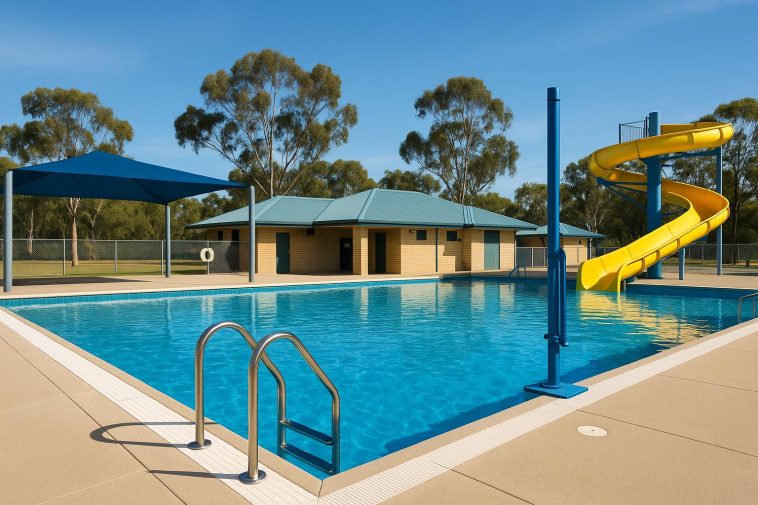
Running a commercial aquatic facility in Western Australia is a significantly more complex undertaking than managing a residential pool, and the gap between what residential pool owners need to know and what commercial operators are required to do is wider than many people entering the sector for the first time appreciate. The public health legislation, the facility registration requirements, the water quality standards, and the ongoing reporting obligations that apply to commercial pools in WA create a compliance framework that requires active and documented management, not occasional attention.
Hotels, motels, caravan parks, fitness centres, apartment complexes, schools, and any business that provides swimming pool access to the public or to paying guests is operating a commercial aquatic facility in the eyes of the relevant WA legislation. For the operators and managers of these facilities, understanding what the compliance framework actually requires is the foundation for operating legally and for protecting the health and safety of the people who use their pools.
The Legislative Framework for Commercial Pools in Western Australia
Commercial aquatic facilities in Western Australia are regulated under the Health (Aquatic Facilities) Regulations 2007, which are made under the Health Act 1911. The regulations are administered by local government environmental health officers, who are responsible for registering aquatic facilities, conducting inspections, and enforcing compliance with the standards set by the regulations.
The Health (Aquatic Facilities) Regulations apply to any aquatic facility that is available for use by the public or by people who are not members of the operator’s household. This captures hotels, motels, caravan parks, holiday parks, fitness centres, schools, clubs, apartment complexes with common pool areas, and any other commercial or semi-commercial setting where a pool is accessible to people beyond the private household of the owner.
Registration. Commercial aquatic facilities in WA must be registered with the local government in whose area they are located. Registration requires an application to the local government environmental health department, inspection of the facility, and payment of the applicable registration fee. Unregistered facilities that should be registered are in breach of the regulations.
Annual renewal. Registration is not a once-only process. It must be renewed annually. The renewal process confirms that the facility continues to meet the required standards and that the operator’s contact and emergency information is current.
Notification of management changes. When the management of a registered facility changes, the local government must be notified. A new hotel operator who has taken over a property with a registered pool must ensure the registration is transferred and that their contact details are updated with the local government.
Water Quality Standards: What Commercial Operators Must Achieve and Demonstrate
The water quality standards for commercial aquatic facilities in WA are specified in the Health (Aquatic Facilities) Regulations and the associated Health (Aquatic Facilities) Guidelines. These standards are more stringent in their documentation and testing frequency requirements than the informal management approach adequate for a residential pool.
Free chlorine. The required free chlorine range for a conventional chlorinated commercial pool is 1 to 5 mg/L (parts per million). This range must be maintained continuously, not just at the time of operator testing. A pool that tests within range at 9am but drops below 1 mg/L by 2pm during peak bather load is not compliant during the period of chlorine depletion.
pH. The required pH range is 7.2 to 7.8, with 7.2 to 7.6 being the more effective range for chlorine performance. Commercial operators must maintain pH within this range continuously.
Combined chlorine and total chlorine. The regulations specify maximum allowable combined chlorine (chloramines) that limit the concentration of the irritating and potentially harmful chlorine compounds that form when chlorine reacts with nitrogen-containing compounds from bathers. Exceedance of the combined chlorine limit indicates inadequate chlorination relative to bather load or inadequate fresh water addition to dilute the accumulated chloramines.
Testing frequency requirements. Commercial operators are required to test water quality at a minimum frequency specified by the regulations, which is typically at least twice daily during periods of operation. These tests must be recorded in the facility’s water quality log, which must be retained for a specified period and made available to the environmental health officer on request.
Cyanuric acid limits. For outdoor pools using stabilised chlorine, cyanuric acid (stabiliser) levels must be kept within the specified range. Excessive cyanuric acid reduces the effectiveness of chlorine to the point where the pool cannot maintain adequate disinfection despite apparently adequate free chlorine readings. The maximum cyanuric acid level under the WA guidelines is 100 mg/L, above which partial drain and refill is required to dilute the stabiliser concentration.
The Water Quality Log: Non-Negotiable Documentation
The water quality log is the central compliance document for a commercial aquatic facility in WA. It must record every chemical test result, every chemical addition, and every maintenance activity relevant to water quality management. The log must be available for inspection at any time, and the environmental health officer’s assessment of a facility’s compliance is heavily based on the log’s completeness, accuracy, and consistency with the test results they observe during their inspection.
A water quality log that has gaps, that records test results that are implausibly consistent, or that does not match the records of chemical deliveries to the facility will draw scrutiny from the environmental health officer and is likely to result in a compliance notice. Commercial operators should treat the log as the legal record it is, not as an administrative formality.
For hotels, apartment complexes, and other facilities where the pool may not have dedicated pool management staff, establishing a clear responsibility for log completion and chemical testing, and training the staff responsible to conduct tests correctly and to interpret results accurately, is a foundational compliance requirement.
Commercial Pool Heating and the Compliance Dimension
Commercial pool heating systems in WA hotels, fitness centres, and aquatic facilities provide year-round pool use but also create specific water quality management considerations that commercial operators must understand.
Heated pool water supports faster growth of the bacteria and other microorganisms that the chlorination system is designed to control. The chlorine demand of a heated commercial pool is higher than that of an unheated pool at the same bather load, because warmer water accelerates chlorine degradation. Commercial operators who heat their pools without adjusting their chemical management programme to account for the higher chlorine demand of heated water risk falling below the required free chlorine level despite what appears to be a normal dosing programme.
The relationship between pool water temperature and chlorine demand is direct and predictable: every 10-degree increase in water temperature approximately doubles the chlorine demand. A commercial pool heated from 25 degrees to 30 degrees for winter operation has approximately double the chlorine demand at the same bather load as an unheated pool in summer.
This relationship has direct compliance implications. A commercial operator whose heated pool tests below the minimum free chlorine level is breaching the regulations, regardless of whether the cause is the additional demand from heating. The compliance obligation is to maintain the water within the required range, which requires adjusting the chemical management programme to meet the demand, not to explain why the demand was unexpectedly high.
Managing Bather Load and Its Chemical Implications
Bather load is the most variable factor in commercial pool water quality management. A hotel pool that sits empty for four hours and then has twelve guests swimming simultaneously experiences a sudden and significant increase in nitrogen compounds, organic load, and turbidity that the chlorination system must manage.
The WA Health (Aquatic Facilities) Guidelines specify maximum bather loads for different pool types and sizes, but the chemical implications of high bather load periods must be actively managed rather than simply kept within the maximum by headcount.
Commercial operators should understand that the post-swim period following a high bather load event is the time of highest combined chlorine formation and the time when the pool is most likely to fall below the free chlorine minimum. Testing immediately after a busy session and adding chemical correction if needed, rather than relying on the next scheduled test, is the management approach that keeps the water within the required range under variable bather load conditions.
For large commercial aquatic facilities, automated dosing systems that continuously monitor water chemistry and add chemicals as needed provide a more reliable maintenance of the required water quality standards than manual dosing alone. These systems require proper commissioning and ongoing calibration to function correctly, but they provide the continuous management that high-traffic commercial pools require.
The Commercial Pool Service Relationship
The water quality management complexity of a commercial aquatic facility in WA, combined with the documentation requirements of the Health (Aquatic Facilities) Regulations, creates a strong case for many commercial operators to engage professional commercial pool service management rather than relying on in-house staff with limited pool chemistry training.
A professional commercial pool maintenance provider manages the chemical testing programme, the dosing calculations, the equipment maintenance, and the water quality log, providing the operator with the documented compliance record that the regulations require and the professional expertise to respond to water quality issues before they become compliance failures.
For smaller commercial facilities including caravan parks, small hotels, and apartment complexes where dedicated pool staff are not financially viable, a professional service arrangement may be the only realistic pathway to consistent compliance with the WA Health (Aquatic Facilities) Regulations.
Conclusion
Commercial aquatic facility compliance in WA is a substantive regulatory obligation that requires active, documented management rather than the casual approach adequate for a residential pool. The registration requirements, the water quality standards, the testing frequency, and the documentation obligations of the Health (Aquatic Facilities) Regulations create a framework that must be understood and followed by every commercial pool operator in the state.
The operators who manage this compliance most effectively are those who understand the specific requirements that apply to their facility type, who have clear internal responsibility for testing and documentation, and who have established service relationships that provide the professional pool service expertise to maintain water quality within the required standards consistently.