
 Joshua Galyon
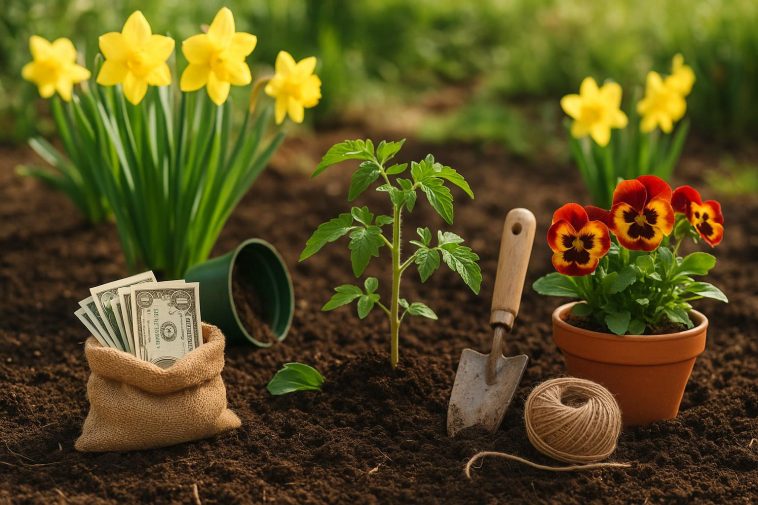
If you are an experienced gardener, or a complete novice, you will likely share the same desire to save money when gardening. From making sure your building materials withstand the tests of time, to finding novel ways to make more out of your garden waste, there is abundance of ways to save money when embarking on your springtime gardening. Below, we have collected some of our favourite ideas, to serve as inspiration for your next planting projects, and to help you to save those precious pennies. Let’s take a look…
Even small garden improvements can have a noticeable impact when they are planned carefully. The best updates combine attractive design with practical benefits, helping the space feel more private, easier to maintain and more enjoyable for everyday use.
Built To Last
Many garden additions can prove to be incredibly time consuming in the long run, demanding laborious maintenance tasks to keep them looking their best. Timber decking, for example, looks stunning when initially installed, but is prone to moisture damage unless sufficiently treated. Paints and preservatives will need to be applied annually to ensure timber lasts, adding an additional expense. In contrast, composite decking, though a more expensive choice, does not require this level of upkeep, meaning it is a far smarter investment for the long term.
Similarly, garden furniture can rapidly fall apart if not looked after properly. If you choose to use timber furniture, we recommend investing in pressure treated wood, or else use a large tarpaulin sheet, to protect the surface of your chair and table sets when not in use. Alternatively, there are many weatherproof outdoor furniture options available on the market, including synthetic rattan, powder coated metal, and recycled plastic lumber.
Creating Compost
Buying fertiliser from a garden centre can be extremely expensive and can stretch the limits of an already tight budget. Making your own compost, in contrast, is simple, rewarding, and most importantly, completely free! Though creating compost can be a time-consuming process, consider it an investment for all future planting, to improve the quality of your soil. Compost imbues the soil with important nutrients, which helps give your plants the best possible start. Compost also gives you a place to re-use any garden wastage, from rotten vegetables, fallen leaves, and grass cuttings. You can even add certain food products into a compost pile, such as eggshells, and certain types of cardboard. Make sure to do your research before adding food to the bin, as certain foods cannot be composted.
As for the compost bin itself, you have plenty of options depending on your budgetary restraints. You can choose from metal bins, standard plastic, or even recycled plastic lumber. If your funds are unable to stretch buying a ready-made compost bin, you can always make your own. Stacked timber lumber, arranged into a tight square, can make a perfectly adequate compost bin. Top tip: keep your compost bin on top of stones and gravel, as this will act as a deterrent from any burrowing pests. We also recommend placing the bin in a place of partial shade, to protect it from extreme changes in temperature.
Grow Your Own Vegetables
As money gets tighter, one of the first things you will likely notice rising in price is food. Although money does not grow on trees, food can grow in the garden! Certain staples for everyday cooking, such as garlic and onions, are incredibly receptive to springtime gardening, helping you to transform your garden space into a practical extension of your kitchen cupboards. Other vegetables that thrive during the springtime months include broccoli, beetroot, lettuce, and carrots. Delicious!
Though the springtime looks warmer, that sunshine can be deceptive. The temperature is still in the lower degrees, and there is the chance that lingering cold snaps could impede on the growth of your budding vegetable plot. Many gardeners opt for greenhouses to keep a consistent, warmer temperature, but this may not be achievable if you are keeping to a tighter budget. Instead, you can make your mini hoop tunnels, which will keep your vegetables protected from the potentially damaging effects of frost and winds. It also creates a further barrier from any unwanted, invading pests. To make a hoop tunnel, you will need a metal wire frame, draped with plastic sheeting.
Creative Planters
When potting plants, or even small beds, there are plenty of materials you can choose for your planters. Timber remains the most popular, but there is metal or recycled plastic planters that will be longer lasting. However, if you want to save money, why not look around for objects already in your home or garden that could be reused to pot your plants? Many gardeners are taking advantage of more unusual receptables, creating a more interesting, characterful aesthetic.
In 2024, the kitsch design trend is looking to make a resurgence, making it the best possible time to look around your home for fun and creative ways to pot your plants. These can include old tyres from your car, metal watering cans, or old buckets and saucepans. This type of repurposing will help to give your garden more of a sense of individuality, and potentially save you hundreds of pounds! “Shabby-chic” irregular garden designs are still very much in vogue – pair you are planting with a wild, overgrown garden theme, and you will be blown away by the results.
To conclude, with a bit of time, careful planning, and making long-term investments, there are many ways that you can save money when embarking on your springtime gardening. If you do choose to buy new materials for your planting or decking/patio space areas, we would recommend opting for materials built to last, rather than materials that will degrade over time, and need to be replaced. Growing vegetables and making your own compost act as similarly rewarding investments and can help to positively shape a more successful garden project in the long term. Finally, simply using what you already own in creative ways can help to inject a sense of character into your surroundings, like choosing old, unused objects as novelty planters. We hope you have found our suggestions informative and wish you the very best of luck with your budget-friendly springtime garden projects!
For commercial gardens, hospitality venues and larger outdoor projects, the finishing details can be just as important as the main structure. traditional signage can add character to entrances, garden rooms or hospitality spaces; while digital signage can help commercial venues share opening times, menus, promotions or visitor information clearly; while efficient hand dryers can support cleaner, lower-maintenance washroom facilities in public-facing outdoor settings.